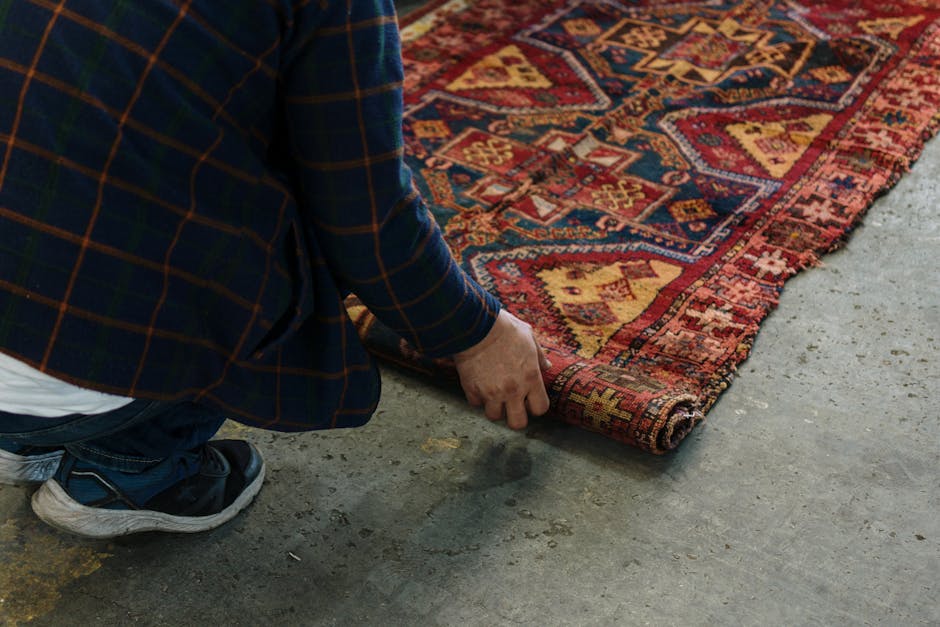
Hall Place rug cleaning and restoration in Bexleyheath
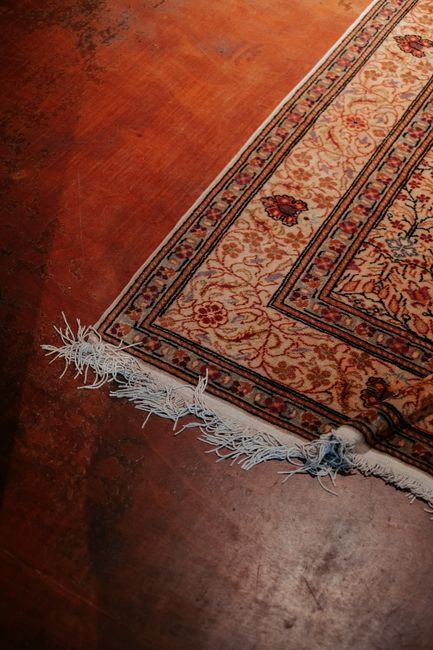
If you own a rug that has picked up traffic wear, a spill from last winter's red wine, or that faint musty smell that seems to appear out of nowhere, you are not alone. Hall Place rug cleaning and restoration in Bexleyheath is the kind of service people usually search for when a rug has moved from "nice feature" to "please, can this be saved?" The good news is that many rugs can be cleaned and restored far more successfully than people expect, provided the fibre, dye, construction and damage are assessed properly from the start.
This guide explains what rug cleaning and restoration actually involves, why it matters in a place like Bexleyheath, how the process works, and what to look out for before handing over a treasured piece. It also covers common mistakes, practical care advice, and the decision points that matter most. Truth be told, a rug can look deceptively simple from the outside. Underneath, it may be wool, silk, cotton, viscose, jute, synthetic blend, hand-tufted, hand-knotted, or something a bit awkwardly mixed. That's where the detail matters.
Why Hall Place rug cleaning and restoration in Bexleyheath matters
Rugs do more than soften a room. They anchor a space, carry the room's colour palette, reduce echo, and add that lived-in warmth people notice the second they walk in. In a family home, they also take a beating. Shoes, pets, crumbs, muddy weekends, the odd dropped mug, and daily vacuuming all leave a mark over time. If the rug is near a hallway or reception area, the wear pattern can become obvious very quickly.
That is especially relevant in local homes around Hall Place and wider Bexleyheath, where rugs might sit in entrance halls, dining rooms, bay windows, or on hard flooring that makes every stain and dull patch stand out. A professional clean is not just about appearance. It helps remove grit that can abrade fibres, clears allergens trapped in the pile, and slows down that tired, flattened look that makes a good rug seem older than it is.
Restoration matters for another reason: many rugs are not cheap, and some are simply irreplaceable. Maybe it is a wool rug bought years ago and still loved. Maybe it was inherited, or chosen because the pattern actually matched the room. Once damage starts to build, waiting too long can turn a straightforward clean into a more complex repair job. Bleeding dyes, moth damage, edge fraying, urine contamination, and sunlight fading are all easier to manage early. Let's face it, rugs rarely get better by being ignored.
Expert summary: The best rug care is usually a mix of careful cleaning, fibre-specific treatment, and timely restoration. The earlier you assess the damage, the more likely you are to preserve both the look and the life of the rug.
If you are comparing services, it can help to understand the wider cleaning picture too. Some rugs simply need specialist treatment similar in principle to professional rug cleaning, while others also benefit from broader fabric care such as upholstery cleaning or targeted stain removal when the spill has spread into surrounding materials.
How Hall Place rug cleaning and restoration in Bexleyheath works
A proper rug cleaning and restoration process starts with identification, not chemicals. That sounds obvious, but plenty of problems begin when a rug is treated like generic carpet. The cleaner should first assess the fibre type, construction, dye stability, pile direction, previous repairs, backing condition, and the nature of the damage. A wool rug with a food stain needs a different approach from a viscose rug with water marks, and both are different again from a delicate antique piece.
The normal workflow usually looks something like this:
- Inspection and fibre testing. The rug is checked for colour fastness, wear, shrinkage risk, and hidden damage. A small test area may be used before any wet process begins.
- Dry soil removal. Loose grit, dust, pet hair, and debris are removed. This matters more than people realise, because dry particles act like sandpaper during washing.
- Stain and spot treatment. Specific marks are pre-treated based on what caused them: food, drink, mud, ink, wax, oil, pet accidents, or general traffic.
- Deep cleaning. Depending on the rug, the method may involve controlled hot water extraction, hand washing, low-moisture treatment, or immersion-style washing for suitable pieces.
- Rinse and soil removal. Residue is removed so the rug does not feel sticky or attract dirt again too quickly.
- Drying in a controlled environment. Fast, even drying is vital. Slow drying can lead to odour, browning, dye migration, or ripple distortion.
- Restoration work where needed. This may include fringe cleaning, edge binding, pile correction, small reweaving, repairing loose threads, or treating worn areas.
- Final grooming and inspection. The pile is reset, the rug is checked again, and any remaining concerns are discussed honestly.
Restoration is the part many people underestimate. Cleaning can make a rug look much better, yes, but restoration is about returning structure and integrity where possible. That might mean stabilising a frayed edge before it worsens, improving a crushed pile, or dealing with water damage that has left a border uneven. Sometimes a repair is visible. Sometimes it is practically invisible. Sometimes, to be fair, it is somewhere in between and needs a frank conversation about expectations.
When a rug has been badly affected by pets, the process can become more layered. If there is lingering odour or contamination, specialist treatment may be needed alongside pet stain and odour removal. That is not just about smell; it is about hygiene, fibre condition, and preventing the same problem from coming back.
Key benefits and practical advantages
The obvious benefit is a cleaner rug. The deeper value is that a good treatment can protect the piece you already own instead of forcing you to replace it. That can be practical, emotional, and frankly a relief when you have been staring at the same stain for months.
- Improved appearance: Colours look fresher, patterns read clearly, and the rug stops looking flat or greyed out.
- Better indoor hygiene: Dust, grit, pollen, hair, and residue are removed from deep within the pile.
- Longer rug life: Removing abrasive dirt and dealing with worn edges early helps slow deterioration.
- Odour reduction: This is especially important after spills, damp storage, or pet accidents.
- Protection of value: Heritage, hand-made, or quality rugs often keep their character better when cleaned properly.
- Safer daily use: A well-maintained rug is less likely to shed badly, curl at the edges, or develop weak spots.
There is also the simple pleasure of seeing a room come back to life. A rug can shift the whole feel of a space. I have seen a tired living room go from dull to balanced again just because the rug stopped looking like it had survived three winters in a row. Small thing, big difference.
| Outcome | Basic clean | Rug restoration approach |
|---|---|---|
| Surface dirt | Usually improved | Improved with more thorough soil removal |
| Deep stains | May lighten, but not always fully remove | Targeted treatment gives a better chance of recovery |
| Fraying or edge wear | Not repaired | Can often be stabilised or repaired |
| Odour | May reduce temporarily | More likely to be addressed at the source |
| Long-term preservation | Moderate | Better, because cleaning and repair work together |
Who this is for and when it makes sense
This service makes sense for anyone who owns a rug that is either valuable, sentimental, awkwardly large, or simply too good to throw away. That sounds broad because it is broad. In practice, the people who benefit most tend to fall into a few groups.
- Homeowners with family rugs: Especially where there are children, pets, or a busy entrance hall.
- People with decorative or natural-fibre rugs: Wool, silk, viscose, and mixed-fibre pieces often need more than a basic clean.
- Renters or landlords: If a rug has absorbed smoke, drink spills, or pet odour, a reset can improve the room without replacing soft furnishings unnecessarily.
- Collectors and owners of handmade pieces: Hand-knotted and antique rugs benefit from careful handling and documentation.
- Anyone dealing with visible damage: Fraying, moth damage, unravelled fringes, colour run, and wear patches should be reviewed sooner rather than later.
It also makes sense if the rug has been stored for a while and smells stale, or if you have just moved house and discovered a problem you had not noticed before. Strange how that happens. One minute the rug is fine; the next minute it is revealing a story you would rather not read in full.
If the rug is part of a bigger soft-furnishing refresh, you might also consider pairing it with carpet cleaning or even sofa cleaning so the room feels consistent rather than half-done.
Step-by-step guidance
If you are trying to decide what happens next, here is the practical version. No jargon, no mystery.
- Lift the rug and check the underside. Look for dampness, discolouration, moth damage, or loose stitching. The underside often tells the real story.
- Vacuum carefully. Use a suction-only setting if possible, especially on delicate fringes. Be gentle at the edges.
- Identify the fibre. If you do not know what it is made from, do not guess wildly. Wool, viscose and synthetics behave differently when wet.
- Note the stain history. Was it wine, tea, pet urine, oil, mud, or just general grime? The cleaner needs that context.
- Ask about testing. A colour-fastness test should be part of a careful process where relevant. No one wants a "clean" rug with pale pink borders because the dye moved.
- Discuss restoration needs. Fringes, edges, minor tears, flattening, and pile loss should be mentioned upfront.
- Agree expectations. Some staining can be improved dramatically; some cannot be fully removed. Honest advice is worth more than a glamorous promise.
- Use proper drying and aftercare. Drying is not an optional extra. It is part of the job.
Here is the simplest rule: if your rug is delicate, sentimental, expensive, or already damaged, stop treating it like a quick DIY weekend task. That is how small issues become expensive ones. A careful professional approach is usually cheaper than replacing a rug you love.
Expert tips for better results
After enough years around rugs, a few patterns become very clear. Small habits make a large difference.
- Vacuum both sides where suitable. Not every rug can handle this, but for many sturdy pieces it helps remove hidden grit.
- Rotate the rug regularly. This evens out sunlight exposure and foot traffic, which matters more than people think.
- Blot, do not rub. Rubbing drives a stain deeper and can distort the pile. It also makes you feel busy while making the problem worse. Annoying, but true.
- Act fast on spills. Fresh contamination is almost always easier to manage than set-in residue.
- Use a rug pad. It can reduce sliding, limit wear, and protect the underside.
- Keep an eye on fringe wear. Fringes are often the first thing to deteriorate and should not be ignored.
- Watch for damp storage issues. If a rug has been stored in a loft, garage, or cupboard, moisture and odour may need treatment before it goes back on display.
A slightly messy real-world tip: if you are unsure what spilled on the rug, don't start experimenting with random household cleaners. You may create a larger problem, and then the original stain becomes almost secondary. That happens more than people admit.
For hard-to-shift marks, a targeted stain removal approach can make a real difference, especially where the stain is isolated and the fibre allows careful treatment.
Common mistakes to avoid
Most rug damage I see did not begin with some dramatic event. It began with a small mistake, followed by another. Here are the big ones.
- Using too much water: Over-wetting can cause dye bleed, shrinkage, browning, or a lingering smell.
- Scrubbing aggressively: This damages the pile and can spread the stain.
- Ignoring the fringe: Fringes are delicate and often require separate care.
- Leaving the rug to dry slowly indoors: Poor airflow can lead to odour and distortion.
- Assuming every rug can be treated the same way: A wool runner and a viscose statement piece are not cousins in the cleaning world. They just aren't.
- Skipping inspection after cleaning: If any issue remains, it should be identified early while follow-up work is still possible.
Another common mistake is choosing a service purely on speed. Fast is not the same as careful. In rug work, those two ideas can move in opposite directions. A rushed job may look fine for a day or two, then reveal rings, texture changes, or hidden residue later on.
Tools, resources and recommendations
You do not need a van full of specialist gear at home, but it helps to know what good service providers typically use and why it matters. A sensible rug treatment may involve:
- Suction extraction equipment for removing dry soil and rinse residue.
- Gentle fibre-safe detergents chosen for the rug type.
- Spotting agents for specific stains, used carefully and never as a one-size-fits-all solution.
- Soft brushes and grooming tools to lift the pile without tearing fibres.
- Controlled drying space to reduce odour and warping.
- Repair materials where edge binding, fringe stabilisation, or minor restoration is needed.
For nearby households, it often makes sense to think in terms of the whole room. Curtains, upholstery, and rugs all collect dust and airborne particles in different ways, so a broader clean can be more efficient than tackling one item at a time. If that sounds useful, the service pages for curtain cleaning and upholstery cleaning are sensible places to look.
You may also want to check company details around who they are and how they work, plus practical pages such as pricing and quotes, payment and security, and insurance and safety before booking. That is just sensible due diligence, nothing fancy.
Law, compliance, standards, or best practice
Rug cleaning and restoration is not usually a heavily regulated trade in the way some specialist fields are, but that does not mean standards do not matter. Good practice should still cover safety, care, transparency, and appropriate handling of textiles and cleaning agents. In the UK, a trustworthy provider will normally work in line with general health and safety expectations, use suitable products responsibly, and communicate any limitations clearly before work begins.
From a customer point of view, the main thing to look for is responsible practice rather than big promises. That means:
- clear explanation of what can and cannot be repaired;
- careful testing where colour movement might be an issue;
- honest discussion of risks for delicate fibres;
- safe handling of damp textiles and drying conditions;
- transparent terms around collection, treatment, and return.
If the rug has sentimental or financial value, ask about handling methods and whether the provider has appropriate cover. It is also worth checking published policy pages such as health and safety, terms and conditions, and the company's recycling and sustainability approach if those details matter to you. They often tell you a lot about how seriously a business treats the practical side of the job.
Options, methods, or comparison table
Not every rug needs the same treatment. The right method depends on the material, the condition, and the problem you are trying to solve. Here is a straightforward comparison.
| Method | Best for | Strengths | Watch-outs |
|---|---|---|---|
| Dry soil removal and grooming | Routine maintenance and prep work | Removes grit, improves appearance, supports deeper cleaning | Not enough on its own for staining or odour |
| Low-moisture cleaning | Some delicate or moisture-sensitive rugs | Reduced drying time, lower water exposure | May not fully address heavy contamination |
| Hot water extraction | Compatible rugs with embedded dirt | Strong deep-cleaning effect when used properly | Not suitable for every fibre or construction |
| Hand washing | Quality rugs, antiques, or fragile pieces | Careful control, better for nuanced problems | Time-consuming and dependent on correct drying |
| Restoration and repair | Fraying, edge wear, minor damage | Extends life, stabilises structure, improves finish | Cannot reverse all damage, especially severe loss |
If you are comparing options, think in terms of outcome rather than technique alone. A rug that is simply dusty may not need a full restorative process. A rug with pet contamination, on the other hand, might need both deep cleaning and odour treatment, plus some structural care. Different job, different plan.
Case study or real-world example
A fairly typical example: a homeowner in Bexleyheath had a medium-sized wool rug in a sitting room that looked dull, smelled slightly stale, and had a tea mark near one edge. Nothing dramatic, just enough to make the whole room feel less settled. The rug had also started to curl a little and the fringe looked tired.
After inspection, the main issues turned out to be compacted soil, a surface stain, mild edge wear, and residue from previous spot cleaning. The rug was treated with fibre-appropriate cleaning, the stain was worked on carefully, and the fringe was handled separately so it did not get caught or stressed. The drying stage was kept controlled, because wool does not enjoy being rushed any more than people do on a Monday morning.
The result was not "brand new" and it did not pretend to be. That is the honest version. But the rug looked brighter, the odour had gone, the pile lifted better, and the room felt more balanced. More importantly, the owner could keep a piece they liked rather than replacing it for the sake of a few visible problems.
That is the core value of proper rug restoration: it preserves what is already meaningful, while making it usable again.
Practical checklist
Use this before booking any rug cleaning or restoration work. It keeps the decision clear and stops you from forgetting the important bits when you are busy.
- Identify the rug fibre if you can.
- Check for visible damage on both sides.
- Note any stains, odours, or previous DIY treatments.
- Photograph the rug before it is handed over.
- Ask whether the service includes inspection and fibre testing.
- Confirm whether fringes, edges, or minor repairs are included or quoted separately.
- Check how the rug will be dried.
- Ask about collection, return, and expected turnaround.
- Review the provider's policy pages and service information.
- Set realistic expectations about stain removal and colour recovery.
One simple bonus step: keep a short note of what caused the stain, if you know. It helps far more than you'd think.
Get a free quote today and see how much you can save.
Conclusion
Hall Place rug cleaning and restoration in Bexleyheath is ultimately about getting more life from the things you already value. Sometimes that means a careful deep clean. Sometimes it means repair, stabilisation, or odour treatment alongside the wash. Often it is a mix of all three. The right approach depends on the rug itself, not on a generic checklist.
If you remember only one thing, let it be this: the earlier a rug is assessed, the better the outcome tends to be. Small stains are easier than old ones. Tiny frays are easier than split edges. And a rug that still has structure beneath the dirt is usually worth saving. A bit of care goes a long way, honestly.
And when a room suddenly feels calmer again because the rug looks right, well, that is a pretty good feeling too.
Frequently Asked Questions
What does Hall Place rug cleaning and restoration in Bexleyheath actually include?
It usually includes inspection, fibre identification, soil removal, stain treatment, deep cleaning, controlled drying, and any suitable restoration work such as edge repairs, fringe care, or pile correction. The exact process depends on the rug's condition and material.
Can every rug be restored?
No. Many rugs can be improved significantly, but some damage is permanent or only partly repairable. Severe fibre loss, heavy dye bleed, or structural breakdown may limit what can be done. A good provider should explain that clearly before starting.
How do I know if my rug needs cleaning or restoration?
If the rug looks dull, smells stale, has a visible stain, has worn edges, or shows signs of pet contamination or moth damage, it probably needs more than routine vacuuming. Restoration is especially worth considering when the rug is valuable or sentimental.
Is rug restoration more expensive than cleaning?
Usually, yes, because it can involve more labour and specialist care. But the cost can still be worthwhile if the rug would otherwise need replacing. The best way to judge value is to compare the treatment cost with the rug's replacement cost and personal importance.
Will cleaning remove old stains completely?
Sometimes, but not always. Fresh spills are much easier than long-set stains. Some marks lighten dramatically, others remain faintly visible. Honest expectations are important here; anyone promising perfect removal in every case is probably overselling it.
How long does a rug usually take to dry?
Drying time depends on the fibre, the cleaning method, the room conditions, and the size of the rug. Controlled drying is important because rushing can cause odour or texture problems. A proper service should explain the likely turnaround in advance.
Can pet urine damage a rug permanently?
It can, especially if it has soaked deep into the backing or been left untreated for some time. The stain may be cleaned and the odour reduced, but long-term contamination can affect fibres, dyes, and structure. Fast action gives you the best chance of recovery.
Should I clean a rug myself before sending it for restoration?
Generally, no, unless you are only doing a light vacuum and careful surface care. DIY spot cleaning with the wrong products can make the stain harder to treat or even damage the fibres. If the rug matters to you, keep home treatment minimal and sensible.
What is the difference between rug cleaning and carpet cleaning?
Rugs are loose items with varied backings, fibres, dyes, and construction styles, so they often need more careful handling than fitted carpet. Carpet cleaning can overlap in technique, but rugs usually require more inspection and a more tailored approach.
Do I need to worry about insurance or safety?
Yes, it is sensible to check. A professional provider should be open about how they handle items safely and whether they have appropriate cover. It is one of those boring details that feels boring right up until you need it.
What should I ask before booking a rug cleaning service?
Ask what fibres they work with, whether they test for colour stability, how they dry rugs, whether restoration is available, and how they handle delicate or high-value pieces. Also check pricing, payment security, and the service terms so there are no awkward surprises later.
Can rug cleaning help with allergies?
It can help reduce dust, pollen, hair, and other particles trapped in the pile. It is not a medical treatment, of course, but a cleaner rug can contribute to a fresher indoor environment. Many people notice the room feels less dusty afterwards.
When is the best time to arrange rug restoration?
As soon as you spot a problem. Waiting usually makes matters worse, especially with fraying, pet contamination, and colour damage. Early assessment gives the best chance of keeping the rug in good condition for longer.