Danson Park Upholstery Cleaning Tips for Bexley Residents
If you live near Danson Park, you already know how quickly everyday life can leave its mark on upholstery. A muddy dog after a walk, a coffee spill on the sofa, or that slow build-up of dust and pollen drifting in after a sunny afternoon - it all adds up. These Danson Park upholstery cleaning tips for Bexley residents are designed to help you keep chairs, sofas, armchairs, dining seats, and fabric cushions looking fresher for longer without making common mistakes that can damage the material.
This guide brings together practical cleaning steps, local common sense, and a few expert habits that really do make a difference. You'll learn what works, what to avoid, when a quick DIY touch-up is enough, and when it's smarter to use a professional upholstery service. Truth be told, upholstery can be a bit fussy. But once you understand the basics, it becomes much easier to protect it and keep your home feeling clean.
Why Danson Park upholstery cleaning tips for Bexley residents Matters
Upholstery tends to get overlooked because it doesn't shout for attention the way a stained carpet does. But sofas, ottomans, and fabric dining chairs take a lot of daily wear. In a household near Danson Park, there's often a mix of family traffic, pets, outdoor pollen, and the occasional bit of park mud on shoes or paws. That combination can settle into fibres quietly, then suddenly become obvious when the light hits the fabric just right.
Clean upholstery matters for more than appearance. It can help reduce odours, improve comfort, and extend the life of the furniture you've already paid good money for. Let's face it, replacing a sofa is expensive and not exactly fun. A bit of regular care goes a long way.
There's also the practical side. Many fabrics respond badly to too much moisture, the wrong chemical, or a hard scrub with a brush that looks innocent but is quietly wrecking the pile. The best local advice is usually simple: match the cleaning method to the fabric, treat spills quickly, and don't guess if you're unsure about the material.
If you want to understand the wider service side of furniture care, the main upholstery cleaning service is a useful place to start. For households dealing with sofa-specific problems, the dedicated sofa cleaning service can be especially relevant, while stubborn marks are often handled best through a focused stain removal approach.
How Danson Park upholstery cleaning tips for Bexley residents Works
Good upholstery cleaning is not just about making fabric look clean on the surface. It's about lifting soil, breaking down stains safely, and removing residue without over-wetting the material. Different fabrics behave differently, which is why one-size-fits-all methods can be risky.
In practice, the process usually follows a few stages:
- Identify the fabric type. Cotton, linen, wool blends, synthetics, velvet, and leather-like finishes all need different treatment.
- Vacuum thoroughly. Dust, crumbs, grit, and pet hair should come off first so they don't turn into muddy paste during cleaning.
- Test a hidden spot. A small patch on the back or underside can tell you if the cleaner causes fading, ring marks, or fibre distortion.
- Treat the stain or soil. Use a suitable cleaner sparingly, work from the outside in, and blot rather than scrub.
- Dry properly. Airflow matters. A damp sofa in a warm room can end up smelling worse than before.
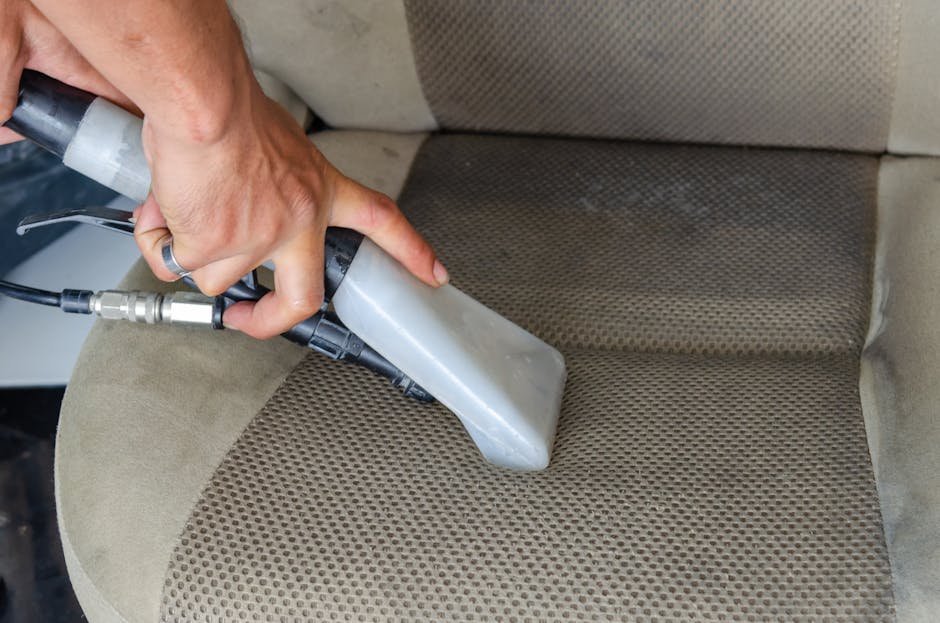
Professional cleaning often goes deeper by using controlled hot-water extraction, low-moisture systems, or specialist stain treatments depending on the fabric. If your furniture is delicate or heavily used, that more measured approach is usually worth it. The difference is often visible: cleaner nap, lighter colour, fewer odours, and a much fresher feel when you sit down.
For people who like a more specialised service, a good pet stain and odour removal solution can be a lifesaver when the issue isn't just dirt but lingering smell too. And if the problem extends beyond the sofa into the room itself, pairing upholstery care with carpet cleaning is often a sensible move.
Key Benefits and Practical Advantages
Upholstery cleaning brings a few very real benefits, not just a prettier living room. The biggest advantage is longevity. Dirt acts like fine sandpaper inside the fibres, so regular cleaning helps reduce wear and flattening. That means your cushions keep their shape better and your fabric looks less tired.
There's also comfort. A clean sofa simply feels nicer. It doesn't have that faint stale smell that can creep in over time, especially in homes with pets, children, or lots of visitors. You notice it most when you come back inside after a walk through Danson Park on a slightly wet afternoon - suddenly the room should feel calm and fresh, not dusty or doggy.
Other benefits include:
- better day-to-day hygiene in high-use seating areas
- reduced build-up of crumbs, allergens, and dust
- fewer visible marks on arms, headrests, and seat fronts
- lower chance of permanent staining if spills are handled quickly
- a better first impression for guests or tenants
There's a financial angle too. Regular maintenance can delay the need to reupholster or replace furniture. That's especially useful for families, landlords, and small businesses where furniture gets heavy use. If you're comparing service options, the pricing and quotes page is a sensible place to check what fits your budget and what level of service makes sense for the condition of the item.
Who This Is For and When It Makes Sense
These tips are useful for anyone in Bexley who wants to keep upholstered furniture in decent shape, but they're especially relevant in a few situations.
- Families with children: snack crumbs, drink spills, sticky hands. You know the drill.
- Pet owners: fur, paw marks, odours, the odd accident.
- Homeowners preparing to sell or let: furniture presentation matters, especially in viewings.
- Renters: useful if you want to avoid end-of-tenancy cleaning headaches.
- Older furniture owners: cared-for upholstery often outlasts the trendy replacement cycle by years.
- Busy professionals: when you simply don't have time to keep testing and spot-cleaning every little mark.
It makes sense to act early if you notice dull patches, odour, darkened armrests, or a stain that keeps reappearing after drying. That reappearance is usually residue or wick-back, which means the stain was pushed deeper and then came back to the surface. Annoying, yes. Common, also yes.
There's a point where DIY starts to feel like fiddling and not fixing. If your furniture has delicate fabric, multiple stain types, or visible water rings, it's often better to stop and reassess before you make it worse. That's not being overcautious; that's saving the item.
Step-by-Step Guidance
Here's a practical approach you can use at home for everyday upholstery care.
1. Start with a careful vacuum
Use the upholstery attachment and a crevice tool where needed. Get into seams, under cushions, along piping, and behind loose backs. If you skip this bit, the next stage just moves dirt around. A clean pass first makes everything easier.
2. Check the care label
Most upholstered items have cleaning codes or at least some care guidance. The letters commonly indicate whether the fabric can handle water-based cleaning, solvent-based cleaning, or only vacuuming. If the label is missing, don't panic. Just be more cautious and test first.
3. Blot fresh spills immediately
Use a clean white cloth or paper towel and press gently. Don't rub. Rubbing spreads the spill and can rough up the fibres. If the liquid is thick, lift what you can first, then blot the remaining dampness.
4. Use a mild cleaner sparingly
Apply product to the cloth, not straight onto the fabric, unless the product instructions clearly say otherwise. Work in small sections. That gives you more control and reduces the risk of oversaturation.
5. Lift, don't scrub
Think gentle movements. Short dabs, light circular motions, and patient blotting usually work better than enthusiasm with a brush. A lot better, actually.
6. Rinse lightly if needed
Some residue can attract more dirt later, so if a product requires rinsing, use minimal clean water and a fresh cloth. Keep moisture low. Upholstery does not enjoy being soaked.
7. Dry with airflow
Open windows if the weather is suitable, use fans, and let the item dry fully before sitting on it. If possible, prop cushions so air can circulate around both sides. That bit matters more than people think.
8. Reassess once dry
Stains sometimes look different after drying. Check for rings, stiffness, and any lingering smell. If the mark is still there, a second gentle attempt or professional treatment may be the better option rather than repeated DIY trials.
Expert Tips for Better Results
There are a few habits that separate decent upholstery care from the kind that actually preserves fabric over the long haul.
- Vacuum weekly, not occasionally. Regular light cleaning is easier than rescuing built-up grime.
- Treat armrests and headrests as priority zones. These are the areas that show oil and body contact first.
- Rotate cushions where possible. It evens out wear and helps the fabric age more consistently.
- Use white cloths for stain work. Coloured cloth can transfer dye, which is the sort of surprise nobody wants.
- Keep a small kit ready. A cloth, an upholstery brush, a gentle cleaner, and a handheld vacuum save a lot of time.
- Deal with odours as well as stains. A mark can be gone visually but still smell faintly of food, sweat, or pet accident if it wasn't treated deeply enough.
One small but useful observation: most people clean the obvious stain and stop too early. They miss the surrounding area, which often has the same residue, only lighter. That's why a stain can seem to come back or leave a soft halo. Cleaning a slightly wider area is usually smarter.
If you're tackling a larger piece of furniture, it can help to think of the process like this: spot treat, blend, dry, reassess. Not just spot, done, move on. Small difference. Big result.
Common Mistakes to Avoid
A few upholstery mistakes are so common they almost feel normal. They aren't. Or rather, they're common because people are trying to help, but the method goes sideways.
- Using too much water. This can leave rings, slow drying, and even internal damp that leads to odour.
- Scrubbing hard. It can damage pile, spread the stain, and make fabric look worn.
- Skipping a test patch. This is how faded patches and unexpected texture changes happen.
- Using a random household cleaner. Bleach, strong disinfectants, and harsh degreasers are risky on fabric.
- Cleaning in direct heat. A hot radiator or bright sun can set some marks or dry the surface too quickly, leaving a tide mark.
- Re-sitting too soon. If the upholstery is still damp, pressure can create imprints and slow the drying process.
Another one people forget: mixing products. Even if the cleaner smells mild, mixing it with something else can create residue or unpredictable results. If one approach has already been used, pause and remove what you can before trying anything new.
And yes, patience is part of it. A little boring, perhaps, but very effective.
Tools, Resources and Recommendations
You don't need a van full of gear to care for upholstery properly. A sensible small kit is enough for most homes near Danson Park.
| Tool or resource | What it helps with | Best use |
|---|---|---|
| Upholstery attachment vacuum | Dust, crumbs, pet hair, surface grit | Weekly maintenance and pre-clean prep |
| Microfibre or white cotton cloths | Blotting and gentle stain lifting | Fresh spills and spot treatment |
| Soft upholstery brush | Light agitation without harsh scraping | Dry soil removal and fabric refreshing |
| Mild fabric-safe cleaner | General stain treatment | Small marks and routine cleaning |
| Handheld fan or open-window airflow | Drying support | After damp cleaning |
| Professional upholstery service | Deep cleaning, difficult stains, odour treatment | When the fabric is delicate or the issue is advanced |
If you're comparing services and want a broader understanding of the business behind the work, the about us page can help explain the company approach, while the insurance and safety information is worth reading if you're concerned about work being carried out in your home. For payment confidence, you can also check the payment and security page.
Law, Compliance, Standards, or Best Practice
For upholstery cleaning in the UK, the main thing most residents need to think about is safe, suitable practice rather than complex compliance. That means using products responsibly, following manufacturer care instructions where available, and avoiding methods that could damage the material or create unnecessary risk in the home.
If a professional is handling the work, it's reasonable to expect clear communication about what can and cannot be cleaned, how moisture is controlled, and whether any stain or odour issues may need specialist treatment. Good practice also includes basic safety around electrical items, drying time, and protecting surrounding floors or nearby furnishings.
In domestic settings, it's wise to be cautious with delicate or antique furniture, especially if you do not know the original fabric composition. Some pieces may have older padding, fragile stitching, or dye that behaves unpredictably. Better to under-clean than overdo it and create a larger problem.
Professional service providers should also handle customer information, access arrangements, and payment details responsibly. If you want to check website policies and business terms before booking, the relevant pages include privacy policy, terms and conditions, and the complaints procedure. None of that is exciting, granted, but it does build trust.
Options, Methods, or Comparison Table
Choosing the right upholstery cleaning method depends on the fabric, the stain, and how much risk you're willing to take. Here's a simple comparison.
| Method | Best for | Pros | Watch-outs |
|---|---|---|---|
| Vacuuming and dry brushing | Routine dust and pet hair | Safe, quick, low risk | Won't remove deep stains |
| Spot cleaning with mild solution | Fresh spills and small marks | Fast and economical | Needs patch testing and careful drying |
| Low-moisture professional cleaning | General refresh and moderate soil | Balanced cleaning with less drying time | Results vary by fabric and condition |
| Hot-water extraction | Heavier soil on suitable fabrics | Deep clean, strong soil removal | Not suitable for every material |
| Specialist stain or odour treatment | Pet accidents, food spills, set-in marks | Targeted and more effective on stubborn issues | May require inspection and pre-treatment |
For nearby households that also need soft-furnishing care beyond upholstery, the curtain cleaning service and rug cleaning service can be a smart pairing. Curtains collect dust and odour, while rugs often share the same daily mess as sofas and chairs. It's all connected really.
Case Study or Real-World Example
A typical Danson Park-area scenario goes like this. A family has a light-coloured fabric sofa in a lounge that gets used constantly. There are snack spills from the children, fur from a small dog, and a darker patch on one arm where everyone rests while watching TV. Nothing dramatic. Just everyday life doing its thing.
They start with a vacuum and remove a surprising amount of dry debris, especially from the seams. Then they spot clean a small juice mark using a fabric-safe product and a white cloth. The stain improves, but a faint edge remains after drying. Rather than attack it again with more liquid, they stop, let the area fully dry, and then book a professional clean for the whole sofa.
The result is usually better than a series of repeated home attempts: more even colour, less chance of a ring mark, and a cleaner overall finish. The slightly boring lesson is the useful one - when a stain is old, broad, or mixed with odour, the whole item often needs a proper deep clean, not just a heroic dab in the middle.
If the household also had a spilt drink on carpet or a stubborn area in a hallway, the same approach might involve carpet treatment too. That's where a combined plan across upholstery and floor coverings makes sense, especially in busy homes.
Practical Checklist
Use this quick checklist before you clean upholstery at home:
- Identify the fabric type or care label
- Vacuum all surfaces, seams, and cushion edges
- Test any cleaner on a hidden patch first
- Blot spills gently with a clean cloth
- Use as little moisture as possible
- Work from the outside of the stain inward
- Avoid harsh scrubbing or stiff brushes
- Allow full drying with good airflow
- Check for rings, stiffness, or lingering smell after drying
- Book professional help if the stain is old, large, or on delicate fabric
Quick expert summary: keep cleaning gentle, keep moisture low, and never assume a sofa will tolerate the same method as a carpet. Upholstery is more sensitive than it looks, and that's where a lot of DIY errors begin.
If you want to compare service scope before arranging a visit, the steam carpet cleaning page can be useful for understanding deep-cleaning methods used on other textile surfaces. It helps set expectations, especially if you're planning to clean more than one item in the home.
Get a free quote today and see how much you can save.
Conclusion
Keeping upholstery clean around Danson Park doesn't have to be complicated. The best results usually come from simple habits: vacuum regularly, treat spills quickly, test products carefully, and respect the fabric. Once you do that, furniture lasts longer, smells fresher, and looks far better in everyday use.
For Bexley residents, the real win is not just having a clean sofa for a day or two. It's knowing how to look after it well enough that it stays comfortable and presentable through real life - children, pets, muddy shoes, evening tea, the lot. That's the practical version, and honestly the useful one.
If your upholstery is showing its age or the stain is becoming a bit stubborn, you do not need to wrestle it forever. A calm, careful approach usually beats a rushed one. And if you decide to get help, make sure it's the right help for the fabric. That little bit of judgement makes all the difference.
Frequently Asked Questions
How often should Bexley residents clean upholstery?
For most homes, a light vacuum once a week and a deeper clean every so often is a sensible rhythm. High-use sofas, pet-friendly homes, and light-coloured fabrics may need attention more often. If the furniture starts looking dull or smells stale, that's usually your cue.
What is the safest way to remove a fresh spill from a sofa?
Blot it immediately with a clean white cloth, working gently from the outside in. Avoid rubbing, because that can push the spill further into the fibres. After that, use a suitable fabric-safe cleaner only if the care instructions allow it.
Can I use household cleaning products on upholstery?
Sometimes, but not blindly. Some household products are too strong, leave residue, or can fade fabric. A product that works on a kitchen surface may be a poor choice for soft furnishings. Always test first on a hidden area.
Why does a stain sometimes come back after drying?
That's often due to wick-back, where moisture and dissolved soil move back up through the fabric as it dries. It's common when too much water is used or when the stain wasn't fully lifted. Slow, careful drying helps reduce the risk.
Is steam cleaning safe for all upholstery?
No, not for all fabrics. Some materials handle controlled hot-water or steam-based cleaning well, while others can shrink, distort, or mark. The fabric type and care instructions matter more than the label on the machine.
How do I know if I should book a professional upholstery clean?
If the item has old stains, lingering odour, delicate fabric, or a large amount of general soil, professional cleaning is usually the safer route. It's also a good idea if you've tried a mild DIY method and the mark is still obvious after drying.
What should I do about pet odours in upholstery?
Act quickly and treat the source, not just the smell on the surface. Pet odour can settle deep into cushions and padding, so superficial cleaning may not be enough. A targeted odour treatment is often needed for proper results.
Can I clean velvet or delicate fabrics at home?
With caution, but many delicate fabrics are easy to damage. Velvet, silk blends, and antique upholstery often need very gentle handling or specialist care. If you are unsure, test first and keep moisture extremely low.
Do upholstery cleaning services also handle sofas and chairs differently?
Yes, they often do. A sofa may have different fabric panels, cushion fillings, and wear patterns compared with dining chairs or footstools. That's why a good cleaner treats each item based on condition and material rather than using one blanket method.
Will upholstery cleaning remove every stain?
Not always. Some marks have already set into the fibres, and some dyes or spills react unpredictably with fabric. A good clean can still improve the appearance significantly, but it's best to be realistic about very old or heat-set stains.
What else should I clean at the same time as upholstery?
If the room needs a fuller refresh, carpets, rugs, and curtains are the natural companions. Dust and odours move around a room, so cleaning just one textile can leave the rest looking a bit out of step. A joined-up approach usually feels better in the end.
How do I choose a trustworthy cleaning company?
Look for clear service information, straightforward pricing, sensible safety details, and transparent policies. Pages such as the company's about us, pricing and quotes, and terms and conditions pages are useful starting points. If you want to get in touch directly, use the contact us page.
Is upholstery cleaning worth it for older furniture?
Very often, yes. Older furniture can still look lovely if the fabric is cared for properly. Even when a sofa has visible age, removing soil and odour can make it far more pleasant to use. Sometimes that freshening-up is enough to keep it in the home for a good while longer.
What should I avoid if I only want to do a quick clean?
Avoid soaking the fabric, scrubbing hard, and using random chemicals in a hurry. Quick cleans should be light, targeted, and low-risk. If the stain needs more than that, it's usually better to pause than to create a bigger repair job later.
For residents in and around Danson Park, a bit of regular care goes a long way. Keep it simple, stay patient, and trust your judgement when a fabric starts asking for more than a quick fix. That usually saves time, money, and a fair bit of stress too.